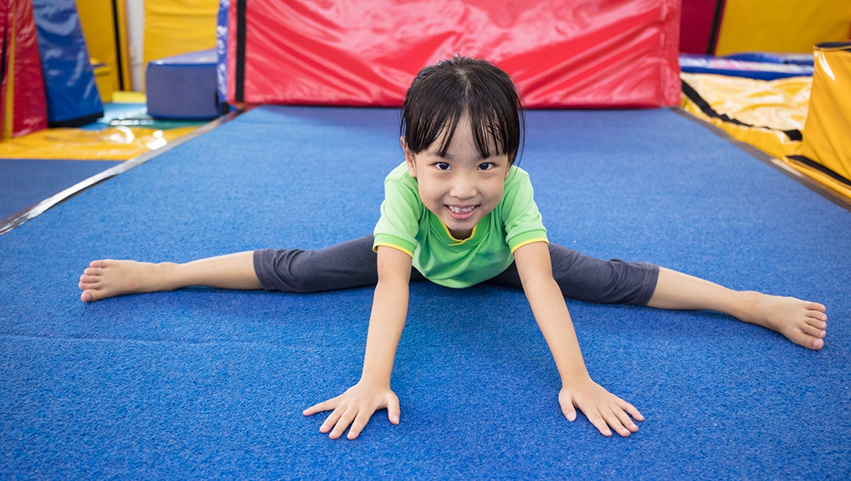
While most children are naturally more flexible than adults, some are particularly bendy. When a child’s joints move beyond the typical range, this increased movement is called hypermobility.
Hypermobility in Children: What Parents Need to Know
Children with hypermobility are often described as “double-jointed.” In many cases, hypermobility causes no problems and doesn’t require treatment. However, for some children it can lead to symptoms, which is known as symptomatic hypermobility. Depending on the severity, a child may receive a diagnosis such as hypermobility spectrum disorder or Ehlers–Danlos syndrome (EDS).
Hypermobility can appear in different ways. It may be generalised, affecting many joints, or localised, such as only in the hands or feet. Because of this, symptoms vary depending on which joints are involved.
Joint pain is one of the most common concerns. Pain often increases after vigorous or prolonged activity and may result from joint subluxations or dislocations. It can occur in any joint — even the jaw (temporomandibular joint). Additionally, some children experience headaches or abdominal discomfort.
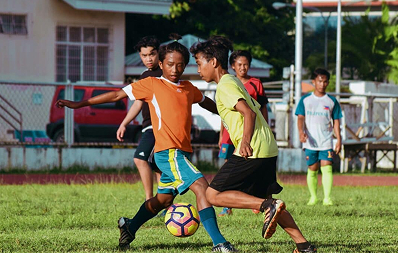
Fatigue is another key feature and can vary widely between children. For example, children with hypermobility in their legs may struggle with long walks and may feel sore or exhausted the next day. This can affect their ability to participate in family outings, school activities, or sports. Similarly, children with hypermobility in their hands may find handwriting or fine motor tasks more difficult.
Although subluxations and dislocations can happen in many joints, they are particularly common in the shoulders and knees.
The good news is that children with symptomatic hypermobility often respond very well to strengthening and stability exercises. These exercises help support their joints, reduce pain, improve stamina, and boost confidence in everyday activities.
If you’re concerned your child may have symptomatic hypermobility, a physiotherapy assessment is recommended. A physiotherapist can assess each joint’s movement and provide tailored strategies to support your child’s comfort, function, and activity levels.
For reliable information about hypermobility and EDS, you can visit The Ehlers-Danlos Society website.