April is Autism Awareness Month, a time to increase understanding of autism spectrum disorder (ASD).
Autism Spectrum Disorder
In Australia, over 205,000 people are affected by autism. Children with ASD often face challenges with movement and motor skills, and physiotherapists play a crucial role in providing support.
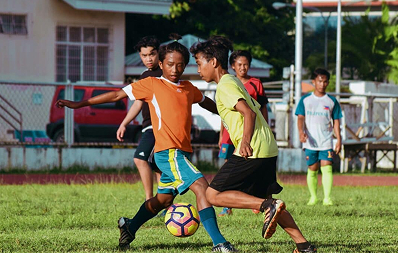
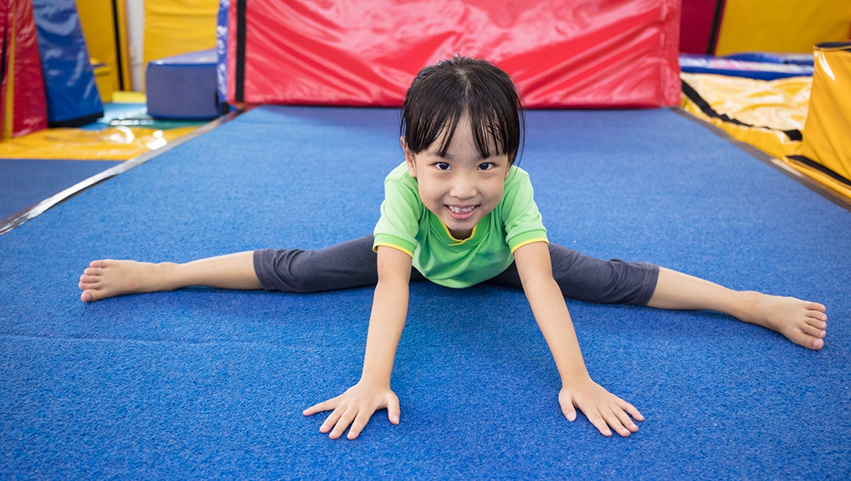
Research shows that children with ASD may experience delays in reaching motor milestones or demonstrate atypical movement patterns. Common difficulties include reduced strength and coordination, poor posture control, altered gait (walking patterns), and challenges with motor planning and anticipation. These issues can affect activities such as running, balancing, and ball skills (e.g., throwing, catching, and kicking). Motor impairments can also impact socialization, schooling, and communication.
Several factors contribute to reduced motor skills in children with ASD. Studies show less activation in the cerebellum, the brain region responsible for coordination, balance, and posture control. Children with autism may also have altered connectivity between brain areas responsible for vision and movement planning or reduced connections between motor and sensory regions. Additionally, impaired function of mirror neurons—those that fire when we observe or perform movements—may hinder skill imitation and learning. Finally, heightened or altered sensitivity to sensory input, such as discomfort with uneven surfaces or noisy environments, can further affect movement.
Physiotherapy can greatly benefit children with ASD by improving motor skills and supporting participation in sports and physical activities. Growing evidence shows that with consistent practice, children with ASD can make significant improvements in their motor abilities.